



Zapotes
Estimated Inventory, lb : 0
Description/Taste
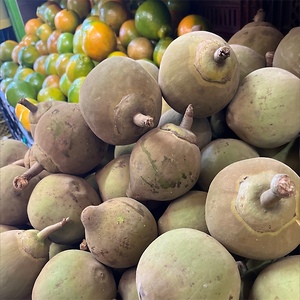
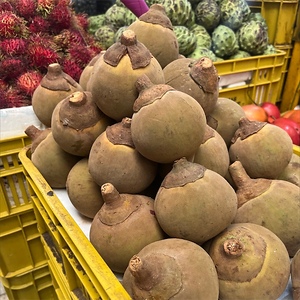
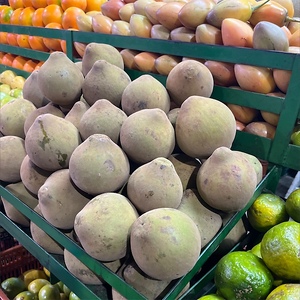
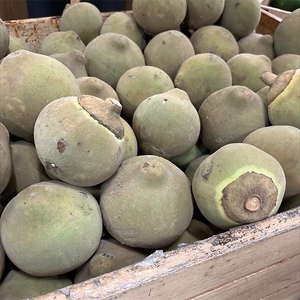
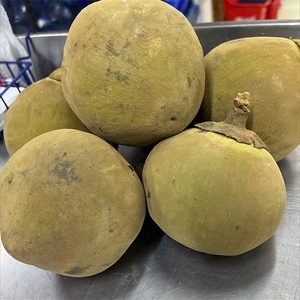
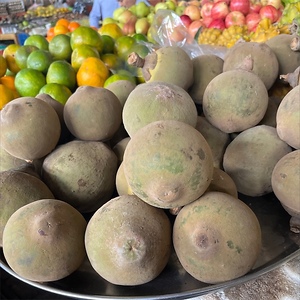
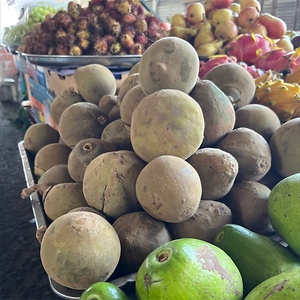
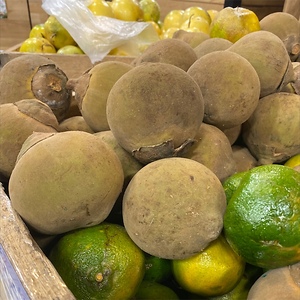
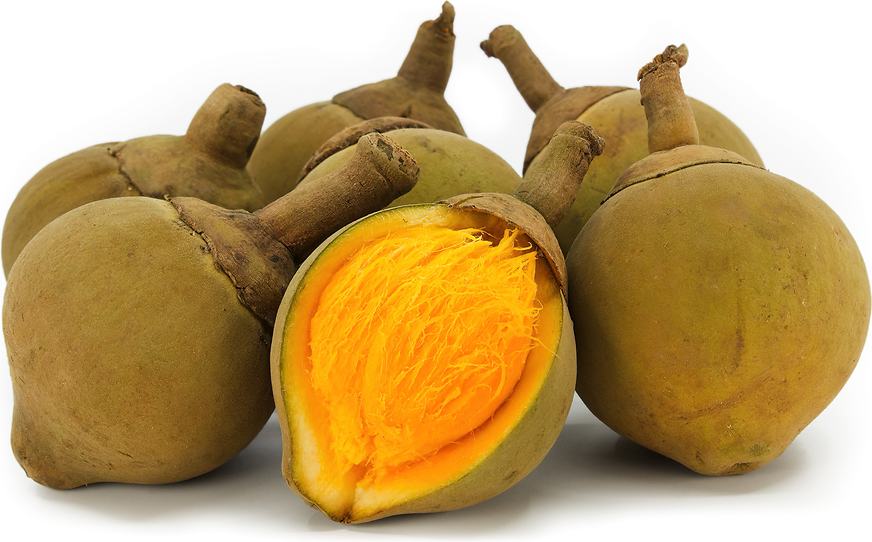
Zapote is a small fruit that's about 2.5 to 7.5 centimeters in diameter with a caramel-brown exterior. Its rind is tough but when peeled away reveals a vibrant orange flesh that has a succulent, stringy consistency. Zapote has anywhere from two to five hard, inedible black seeds in the center of the fruit. When unripe, it contains high amounts of saponin, an astringent that can dry out the mouth. When ripe, the Zapote is soft to the touch and emits a sweet aroma. This fruit possesses the sweetness of a fig and the creaminess and texture of an avocado.
Seasons/Availability
Zapote is available year-round, with peak seasons in the spring and late fall.
Current Facts
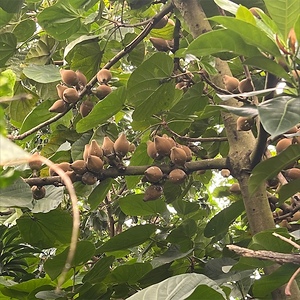
Zapote is botanically known as Quararibea cordata and belongs to the Malvaceae family, along with durian, okra, cacao, and cotton. It is also referred to as Chupa Chupa fruit, Zapote de Monte, Chico Zapote, Mamey Colorado, and South American sapote. One of the byproducts of the Zapote tree is a gummy latex called chicle, which has been used as the main ingredient in chewing gum for decades, dating back to the ancient Central American culture of the Maya. Despite their similar names, Zapote is not related to the sapote species, the latter being botanically known as Pouteria sapota and belonging to the Sapotaceae family. Zapote grows on trees in the lowlands of South America that can reach between 12 and 45 meters tall. In addition to the culinary uses of its fruit, these trees are valued as ornamentals due to their long, sprawling branches.
Nutritional Value
Zapote is high in vitamin C, an essential antioxidant that plays a crucial role in boosting the immune system, promoting healthy skin, and aiding in wound healing. Additionally, Zapote is a good source of dietary fiber, which supports digestive health by promoting regular bowel movements and maintaining a healthy gut microbiome. This fiber content can also aid in weight management by enhancing feelings of fullness. Zapote contains calcium, vital for maintaining strong bones and teeth, as well as supporting muscle function and nerve transmission. The presence of carotene contributes to the fruit's vibrant color and provides additional antioxidant properties, which help protect the body from oxidative stress. The phosphorus content in Zapote is important for energy production, bone health, and the formation of DNA and cell membranes.
Applications
Zapote is most often eaten fresh out of hand. Its pulp is also juiced or blended into smoothies with fruits like papayas, mangoes, pineapples, coconuts, oranges, limes, bananas, and black persimmons. Zapote pulp is frequently frozen into sherbets or preserved in jams, particularly in Mexico and Honduras. In Central America, it is blended with milk, ice, sugar, or water for a refreshing beverage. Zapote can be mashed and used to make custards or as a filling for pies, crumbles, and ice cream. This fruit pairs well with strawberries, passion fruit, kiwi, apples, pears, mint, cinnamon, almonds, and chia seeds. Zapote should be stored at room temperature, where it will last about two weeks.
Ethnic/Cultural Info
In Peru, Zapote trees are native to the regions surrounding the Amazon River, particularly in the Department of Loreto, the northernmost region of the country. This department is sparsely populated compared to the rest of Peru due to its remote location within the Amazon Rainforest. The area is characterized by its lush biodiversity and rich ecosystem, which provide ideal growing conditions for Zapote trees and their fruit. Zapote thrives in forest structures known as zapotales, which are specific habitats featuring a mix of trees, shrubs, and other vegetation that create a suitable microclimate for the growth of Zapote trees.
Geography/History
Zapote is native to the foothills of the Andes Mountains and the Amazon rainforest in South America. This fruit commonly grows in Ecuador, Peru, Venezuela, Columbia, and Brazil. It grows in tropical and subtropical climates with high temperatures and humidity. Zapote trees grow in the wild lowland forests of South America and in Colombia's Cauca and Magdalena Valleys. These trees have also been domesticated in home gardens and are grown commercially throughout South America. Zapote started to grow in recognition when the Spaniards first encountered the fruit in their conquest of South and Central America in the 16th century. Zapote can now be found in street markets and specialty stores throughout Central America, Mexico, India, and parts of Southern Florida.
Recipe Ideas
Recipes that include Zapotes. One
 is easiest, three is harder.
| The Opulent Opossum |
|
Mamey Sapote Ice Cream |
| Sailu's Kitchen |
|
Chikku (Sapota) Milkshake |

Latest in season fruits and vegetables posted from the Specialty Produce App