



Sour Cherries
Estimated Inventory, 18 lbs : 0
Description/Taste
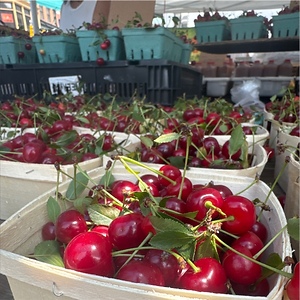
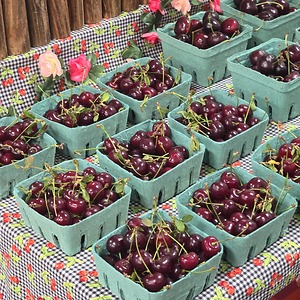
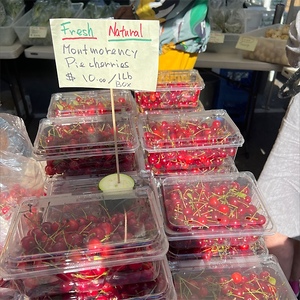
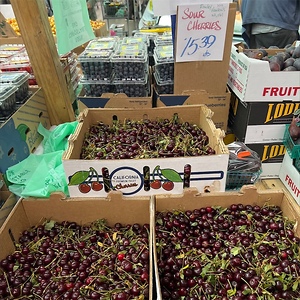
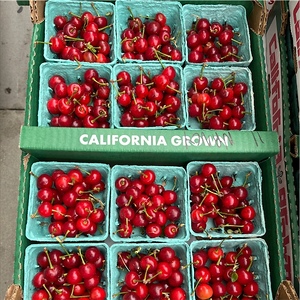
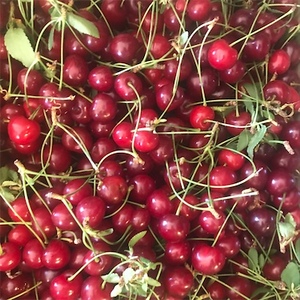
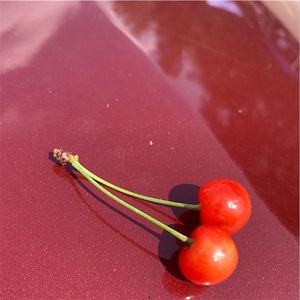
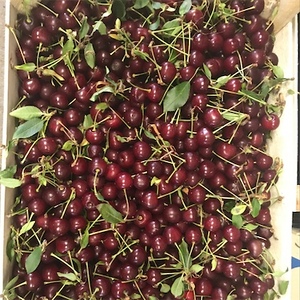
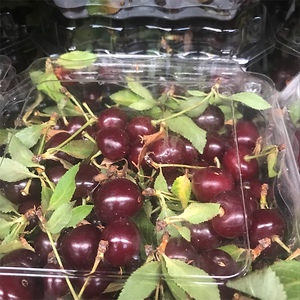
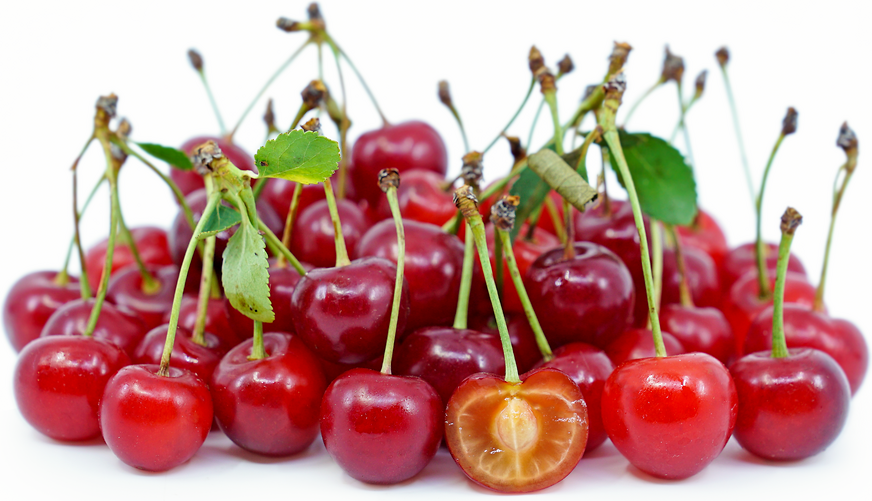
Sour cherries are smaller than sweet cherry varietals and have a round to oval, plump appearance, attached to slender, elongated, and fibrous green stems. The fruit’s skin is thin, soft, glossy, and smooth, appearing in bright shades of red. The skin should also be fairly taut, showing no signs of bruising or wrinkles, as this is an indication that the cherry is decaying. Underneath the surface, the flesh is aqueous, pulpy, and ranges in color from bright red to yellow, encasing a small, hard, and cream-colored central seed. The seed, also known as the pit, should be discarded before consumption. Sour cherries have a delicate nature and require careful handling to maintain quality and texture. The fruits contain high acid and low sugar, developing a tart, sour, and tannic flavor mixed with bright, fruity, and sweet nuances.
Seasons/Availability
Sour cherries are available for a few weeks in the late spring through summer. There are many different varieties with early, mid, to late-ripening times, but the peak season for Sour cherries generally occurs in June and July.
Current Facts
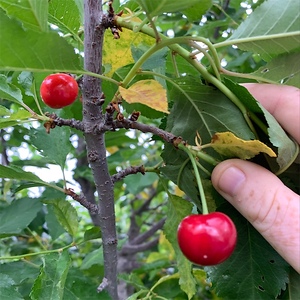
Sour cherries, botanically classified as Prunus cerasus, is a general descriptor used for many different cultivars of tart and tangy fruits belonging to the Rosaceae family. The bright red fruits grow on trees that can reach between 4 to 10 meters in height and are naturally occurring hybrids between Prunus avium and Prunus fruticosa cherries. Sour cherries are also known as Tart cherries and Pie cherries. The majority of Sour cherry varieties are self-pollinizing, and each distinct cultivar produces cherries with varying degrees of acidity and flavor. There are more than 300 varieties of Sour cherries, and the two most common types are Morello and Amarelle cherries, with Morello cherries being popular in Europe, while Amarelle cherries are frequently grown in North America. Within these categories, there are several cultivars, including Balaton, Early Richmond, North Star, and Montmorency. Sour cherries are only available for a few weeks each year, and the cherries are challenging to find fresh due to their highly perishable and delicate nature. The fruits are also mechanically harvested, causing the cherries to sometimes bruise or discolor, making it difficult to sell in commercial markets. Sour cherries are primarily frozen or processed in syrups or purees immediately after harvest.
Nutritional Value
Sour cherries are an excellent source of vitamins A and C to strengthen the immune system, boost collagen production, and reduce inflammation. The cherries are also a good source of potassium to balance fluid levels within the body and anthocyanins, colored pigments in the flesh that contain antioxidant-like properties to protect the cells against free radical damage. Beyond vitamins and minerals, Sour cherries provide melatonin which has historically been used as a natural sleep aid.
Applications
Sour cherries have a tart flavor generally considered too sour to consume straight, out of hand, but the tangy fruits are well suited for preparations with added sweeteners. Despite their acidic nature, some cultures in Europe and the Middle East enjoy eating the fruits fresh. Sour cherries can be simmered into sauces, reductions, and glazes and are often used to flavor barbeque sauces, balsamic glazes, or even chopped into salsa. The cherries can also be cooked into jams and chutney and slathered over roasted meats, bread, or vegetables. Sour cherries retain their bright red coloring throughout the cooking process and are widely favored for pies, cakes, cobblers, tarts, muffins, cinnamon rolls, and pudding. They can also be pickled as a sweet and tangy condiment or macerated in sugar, steeped in alcohol, and developed into a thick syrup for cocktails, lemonade, and ice cream. Beyond fresh preparations, Sour cherries can be dehydrated and tossed dried into salads, stirred into yogurt, or incorporated into trail mixes or granola. Sour cherries pair well with vanilla, dark chocolate, bourbon, cinnamon, mint, cheeses such as ricotta and goat, meats including poultry, duck, pork, and lamb, fruits such as oranges, apricots, blueberries, blackberries, plums, and lemons, and nuts including pistachios and almonds. Whole, unwashed Sour cherries are highly perishable and will only keep 3 to 7 days when stored with the stems intact in the refrigerator. The cherries can also be pitted and frozen for extended use.
Ethnic/Cultural Info
In the United States, Northern Michigan, specifically Traverse City, has become the self-proclaimed Sour cherry capital of the United States. The region accounts for over seventy percent of the country’s Sour cherry production and is referred to as Up North, the land above Lake Michigan. Up North contains fertile soil for cherry cultivation and Lake Michigan helps to maintain a steady temperature while also promoting rainfall, creating a favorable climate, also known as the lake effect. Cherry trees were first planted along Traverse Bay in the 19th century by missionaries, and many of these trees are still producing fruit in the present day. Traverse City quickly became known among Michigan residents for its cherries, and each year the city attracts tourists who flock to cherry farms, cherry festivals, and restaurants with cherry-themed dishes. Many farms also offer u-pick orchards, where visitors can harvest their Sour cherries for home recipes.
Geography/History
Sour cherries are believed by experts to be native to Eastern Europe and Southwestern Asia. The fruit trees have been found growing in the Caucasus Mountains between the Black Sea and Caspian Sea and were created through a natural cross between Prunus avium and Prunus fruticose cherries. Sour cherries were selected for cultivation in the Early Ages and were a favored cherry type in the Ancient Greek, Roman, and Persian empires. The fruits were later introduced into Western Europe and became a commercially produced variety in England in the 16th century. Sour cherries were also planted in the United States in the 18th century, where they are often cultivated by grafting onto strong growing rootstocks for enhanced production. Rootstocks are chosen for climate, region, soil tolerance and to control the size of the tree. Today Sour cherries are cultivated in Europe, the Middle East, Canada, and the United States. When in season, Sour cherries are rarely sold fresh and are found through local farmer’s markets and specialty distributors. The cherries can also be found frozen through supermarkets and other select grocers.
Recipe Ideas
Recipes that include Sour Cherries. One
 is easiest, three is harder.
Podcast

Latest in season fruits and vegetables posted from the Specialty Produce App