



Italian Prune Plums
Estimated Inventory, 30 lbs : 0
Description/Taste
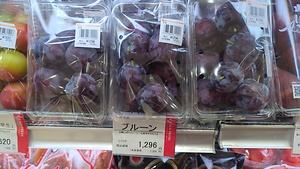
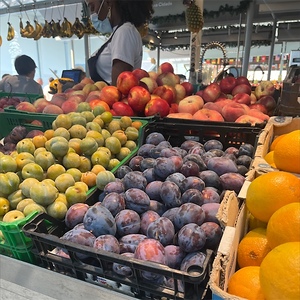
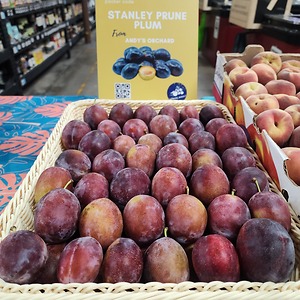
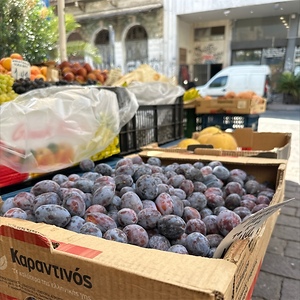
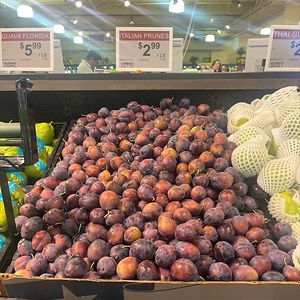
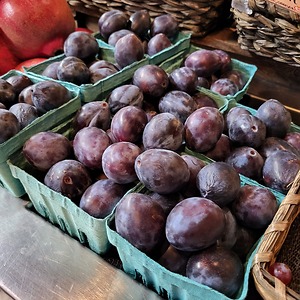
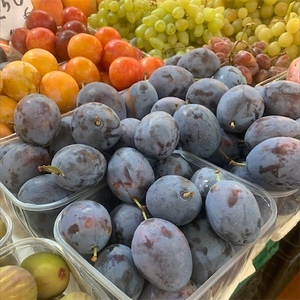
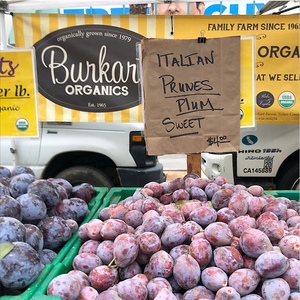
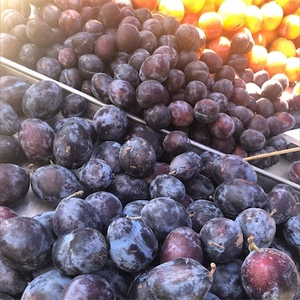
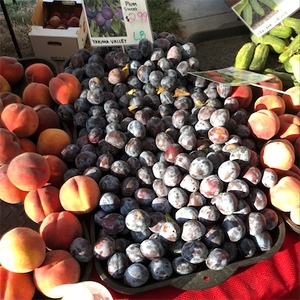
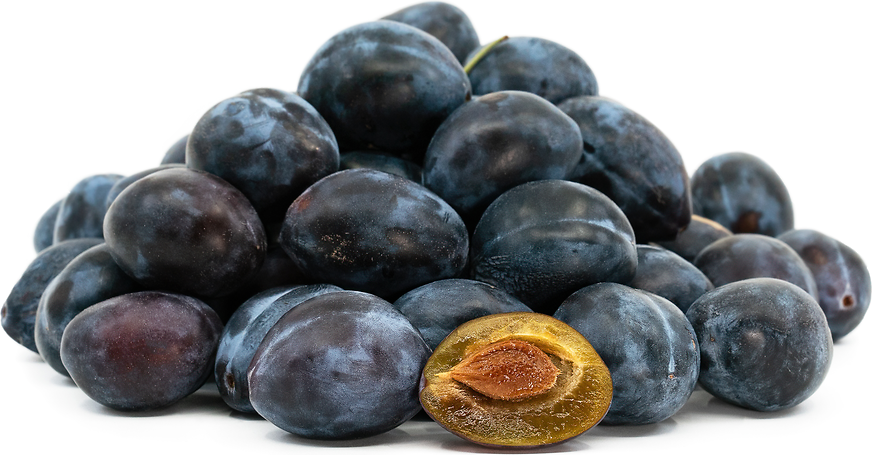
Italian Prune plums are a small to medium varietal with a distinct, oval to oblong shape with slightly pointed, tapered ends. The fruit’s skin is smooth, taut, and thin, transitioning from a dark red to a purple, almost black hue with maturity. Italian Prune plums are also covered in a powdery, white-blue bloom that acts as a natural barrier from bacteria, insects, and moisture loss. The fruit’s bloom is a sign of freshness, and over time, the bloom will fade, indicating the fruit’s waning ripeness. Underneath the surface, the flesh is golden-yellow to green-yellow with a semi-firm, dense, and slightly aqueous texture. The flesh also encases a central light brown pit that is easily removed from the fruit. Italian Prune plums have a snappy, semi-firm texture when raw, and as the fruits are cooked, they develop a jammy, creamy consistency. The flesh is also known for its low water content and high sugar content, creating a mild, fruity taste with citrus nuances. When Italian Prune plums are cooked, they develop a rich, sugary-sweet flavor and transition into a bright pink hue.
Seasons/Availability
Italian Prune plums are available for a few weeks in the late summer through the early fall.
Current Facts
Italian Prune plums, botanically classified as Prunus domestica, are a European variety belonging to the Rosaceae family. The fruits grow on trees that are traditionally kept small, reaching between 3 to 4 meters in height, and the trees are self-fertile and cold tolerant, blooming in the early spring and producing large crops in the late summer. Italian Prune plums acquired their name from their native growing region, but the variety has found greater success outside of Italy, favored as a home garden cultivar in Germany and the United States. The plums are also known as Empress plums, Italian plums, and Blue plums and are a boutique variety cultivated for the fruit’s dense flesh and concentrated flavors. Italian Prune plums are traditionally found through local growers and home gardeners, incorporated into fresh, dried, or cooked culinary preparations, or fermented into regional spirits.
Nutritional Value
Italian Prune plums are a good source of potassium to balance fluid levels within the body, vitamin C to strengthen the immune system, and fiber to regulate the digestive tract. The fruits also contain calcium to protect bones and teeth, vitamin K to assist in faster wound healing, vitamin A to maintain healthy organ functioning, and lower amounts of manganese and copper.
Applications
Italian Prune plums have a dense consistency and a sweet, fruity flavor well suited for fresh eating, cooking, or drying. The fresh fruits may be used similarly to other plum varieties, consumed straight out of hand, tossed into salads, sliced for cheese plates, diced into slaws, fruit bowls, and salsa, or blended into smoothies, but their drier flesh will create a texture distinct from other plum varieties. Italian Prune plums are most commonly utilized in baked applications as the fruits hold their shape well and develop concentrated flavors. The plums also transition into bright fuschia shades when cooked, contributing to a visually appealing aesthetic. Italian Prune plums can be baked into pies, crumbles, cakes, dumplings, turnovers, and tarts, or they can be simmered into jams, jellies, and compotes. The plums can also be incorporated into sauces for roasted meats or as a sweet topping for ice cream. In addition to baked goods, Italian Prune plums can be grilled and layered over toast, roasted with melted butter and sugar as a savory-sweet dessert, sauteed and mixed into rice bowls, or combined with thyme, shallots, and bacon in a savory bread pudding. The fruits can also be infused into wine, brandy, and other spirits. Italian Prune plums pair well with spices such as cinnamon, nutmeg, and ginger, honey, vanilla, herbs including rosemary, thyme, and mint, meats such as poultry, pork, lamb, and wild game, lemon, ricotta, bitter greens, and fruits including blueberries, strawberries, and apricots. Whole, unwashed Italian Prune plums should be ripened at room temperature. Once ripe, they will keep up to one week when stored in the refrigerator. The plums can also be dried into prunes for extended use and eaten as a chewy snack, chopped into trail mix, or utilized in baked recipes. Prunes will keep for a couple of months when stored in a cool, dry, and dark place in a sealed container. They can also be kept in the refrigerator for up to six months.
Ethnic/Cultural Info
In Germany, Italian Prune plums are known as Zwetschgen and are a favorite seasonal fruit utilized in baked goods. The small plums are valued for their concentrated flavor and are popularly incorporated into dumplings and cakes. In Southern Germany, the plums are folded into plum dumplings or zwetschgenknoedel. The dumplings are comprised of plum slices wrapped in a dough and covered in buttered breadcrumbs. The savory-sweet dish can be served with any meal and is traditionally offered as an afternoon snack or dessert, paired with compotes or a yogurt-sour cream dip. Italian Prune plums are also famously baked into zwetschgenkuchen, a decadent tart-like dessert with a shortbread crust filled with a plum mixture. Zwetschgenkuchen is a favorite dish served during Rosh Hashanah and is eaten with the hope of happiness for the year to come. In addition to baking fresh Italian Prune plums, the fruits are dried and sold in Christmas markets throughout Germany. The prunes are crafted into small figurines known as plum people dolls. These dolls are a common gift during special occasions such as weddings or birthdays, but in the Christmas season, they are often dressed to resemble Santa Claus. Plum people dolls are meant to bring good luck and fortune to households.
Geography/History
Italian Prune plums are native to the coastal Mediterranean regions of Italy. The exact history of the variety is unknown, but experts hypothesize that these plums could have been a descendant of plums brought from Syria around the 12th century. The Syrian plums were grafted onto local European plum rootstock, creating several new plum cultivars. Italian Prune plums were gradually spread across Europe through trade routes and traveling peoples, as the fruits were a favorite dried nutritional food source to carry on long journeys. The oval plums were also brought to the United States sometime in the mid-19th century as stone fruit farms began booming in California during the Gold Rush. Today Italian Prune plums thrive in arid, Mediterranean climates with mild, cool winters and hot, dry, and extended summers. The plums are cultivated in Europe, North America, and Australia sold locally through farmer’s markets, grocers, and specialty distributors. When the plums are dried into prunes, they can be shipped worldwide.
Recipe Ideas
Recipes that include Italian Prune Plums. One
 is easiest, three is harder.
| Autumn Makes and Does |
|
Damson Plum Gin |
Podcasts

Latest in season fruits and vegetables posted from the Specialty Produce App
View Full Share Market®