



Chrysanthemum Leaves
Estimated Inventory, lb : 0
Description/Taste
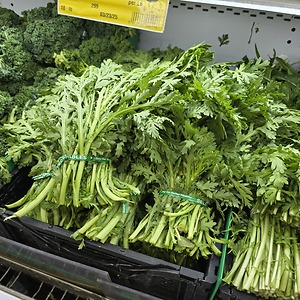
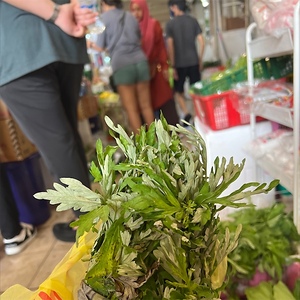
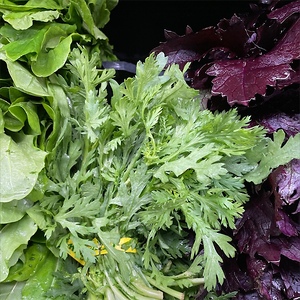
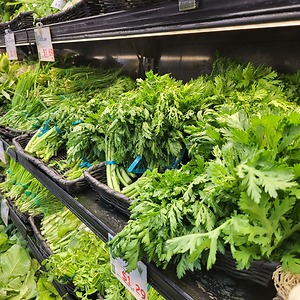
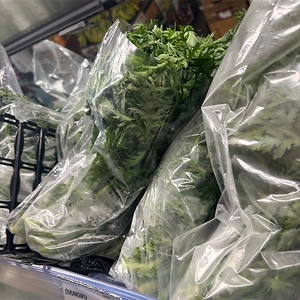
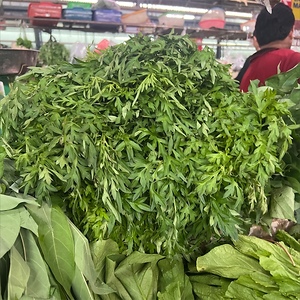
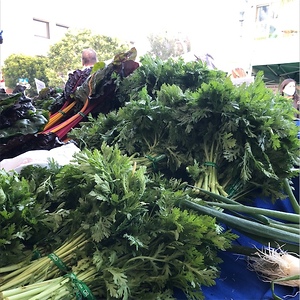
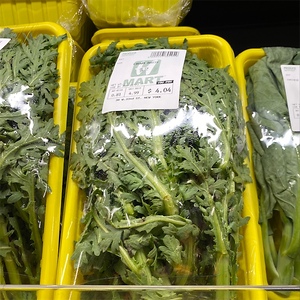
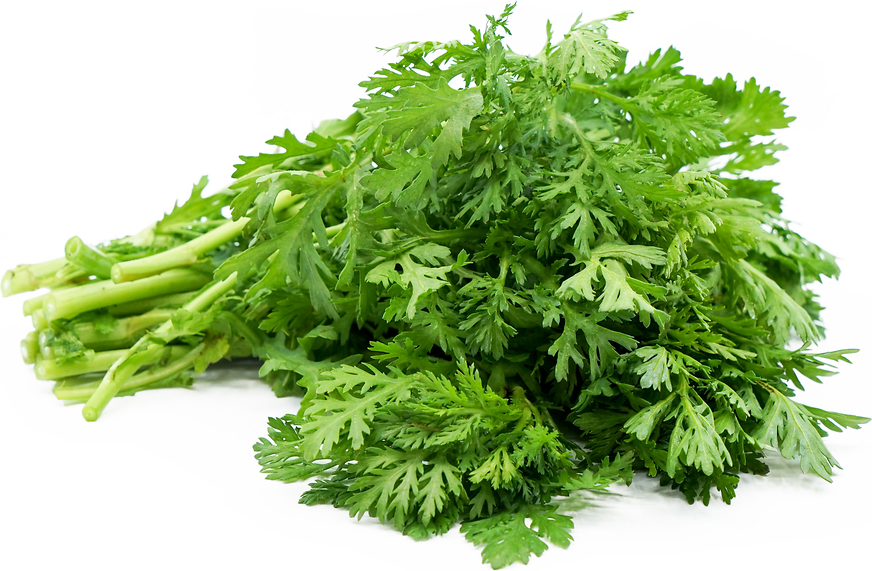
Chrysanthemum leaves are small to medium in size and thin, flat, and ovate in shape, averaging 5-10 centimeters in length. The green leaves grow in an alternating pattern and are divided into leaflets with serrated edges. There are two main varieties of Chrysanthemum leaves, small leaf, and broadleaf. Both varieties have long green leaves that are attached to a slightly fibrous pale green to white stem. Chrysanthemum leaves are tender and slightly crunchy with mild, grassy, and sweet flavor. The herbaceous flavor is similar to that of mustard greens, and the leaves also have a bitter bite that becomes more pronounced the longer the leaves are allowed to stay on the plant.
Seasons/Availability
Chrysanthemum leaves are available fall through spring.
Current Facts
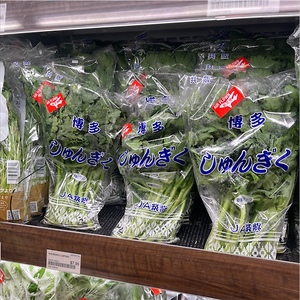
Chrysanthemum leaves, botanically classified as Chrysanthemum coronarium, are the greens of the annual plant, Garland chrysanthemum, and are members of the Asteraceae family. Also known as a Crown daisy, Chop Suey greens, Tong Hao in China, Shingiku in Japan, and Tan O in Vietnam, Chrysanthemum leaves are extremely popular in Asian cuisine and are used in hot pot, stir-fries, and vegetable side dishes. The flowers of the plant are also popular and are used for culinary, decorative, and medicinal purposes.
Nutritional Value
Chrysanthemum leaves are an excellent source of potassium, fiber, vitamins A and C, calcium, and flavonoids.
Applications
Chrysanthemum leaves are best suited for both raw and cooked applications such as steaming, sautéing, stir-frying and boiling. They can be used raw or slightly wilted in salad preparations instead of dandelion greens, endive, and kale. Chrysanthemum leaves are also an important ingredient in Chinese hot pot, Taiwanese oyster omelets, chop suey, and other soup dishes. For best flavor do not overcook as the delicate leaves need only 30-60 seconds of heat and will become bitter and mushy if overdone. Chrysanthemum leaves can also be lightly battered and fried into tempura. Their flavor pairs well with tahini, mirin, sesame, soy sauce, dashi, lemon, garlic, nuts, rice vinegar, and other leafy greens. Chrysanthemum leaves will keep for a couple of days when stored in a plastic bag in the crisper drawer of the refrigerator.
Ethnic/Cultural Info
The chrysanthemum flower is highly revered in Japanese culture. It is used as a symbol of long life and royalty for the imperial family and is used as Japan’s Imperial Seal. The highest order in Japan is also known as the Supreme Order of the Chrysanthemum and is the most distinguished honor a citizen of the county can receive. The country also has a national chrysanthemum day which is one of the five ancient sacred festivals during the autumn months.
Geography/History
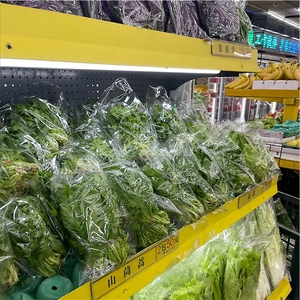
Chrysanthemum leaves are native to East Asia and were first documented in the 15th century. They were then successfully spread to France then England in the late 1600’s and to the United States in 1798. Today Chrysanthemum leaves are available at specialty markets mainly in Asia but can also be found at select markets in Europe.
Recipe Ideas
Recipes that include Chrysanthemum Leaves. One
 is easiest, three is harder.
| Passionate Eater |
|
Taiwanese Oyster Omelet |

Latest in season fruits and vegetables posted from the Specialty Produce App